Gaming has undergone an incredible transformation, evolving from simple arcade experiences to complex, interconnected digital worlds. This guide explores how gaming has changed over the years, impacting everything from graphics and gameplay to community and accessibility. Discover the rise of online multiplayer, the dominance of mobile platforms, the explosion of esports, and the shift towards free-to-play models. Understand how these changes affect you, the modern gamer balancing a busy life with a passion for digital entertainment. We will cover key developments like cross-platform play, cloud gaming, and the ever-growing influence of streamers and content creators. Whether you are a veteran player reminiscing about the old days or a newer gamer looking to understand the roots of today's trends, this article provides valuable insights into the dynamic landscape of video games. Get ready to navigate the future of gaming with confidence and optimize your play experience.
What were video games like in the early days?
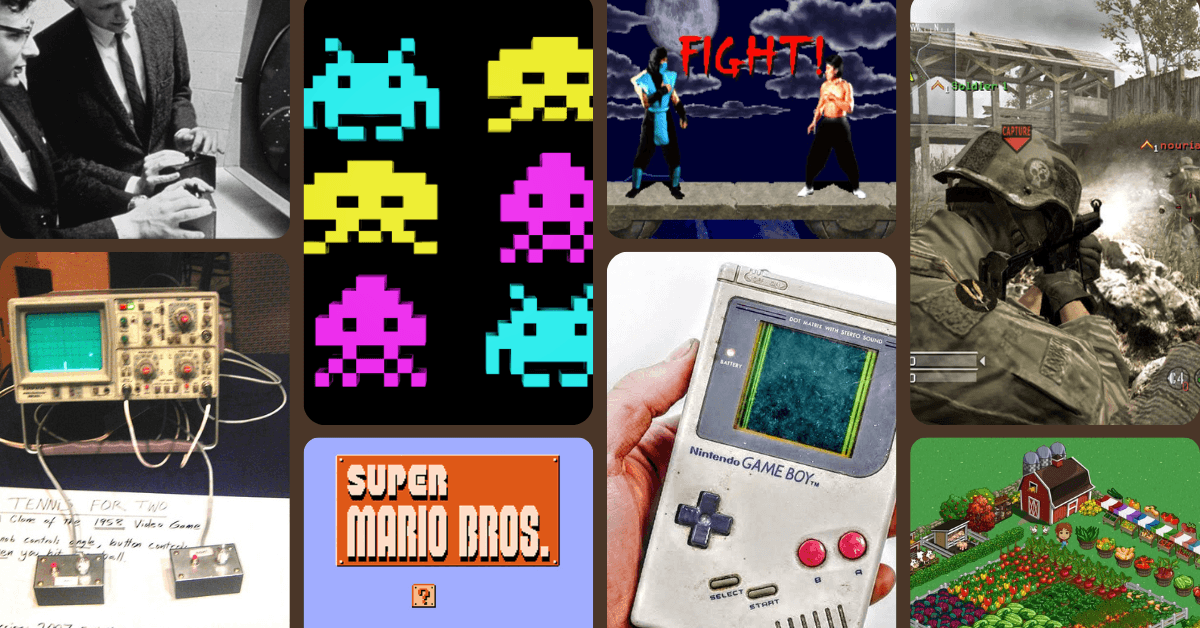
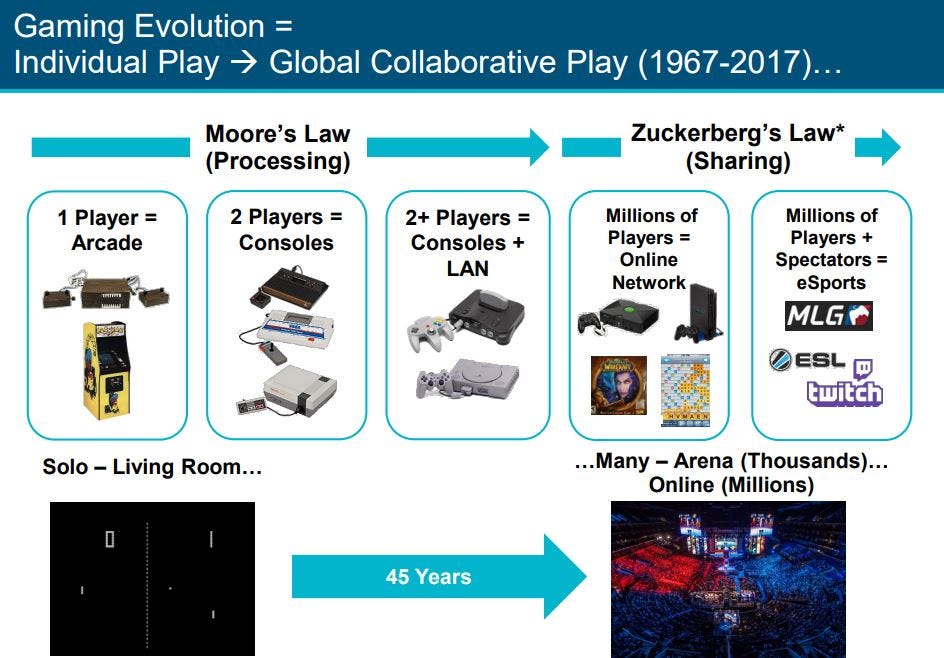
In the early days, video games were primarily simple arcade cabinet experiences or home console titles with basic 2D graphics and limited sound. Gameplay was often score-focused or involved short, repetitive levels, lacking the complex narratives or vast open worlds we see today. Multiplayer was typically local, requiring players to be in the same room. Think Atari's Pong or Nintendo's Super Mario Bros., where the magic was in the novel interaction rather than high fidelity.
How has graphic fidelity and realism evolved in gaming?
Graphic fidelity has undergone an astounding evolution, moving from pixelated 8-bit sprites and 2D environments to photorealistic 4K graphics with dynamic lighting, intricate textures, and vast, seamlessly rendered open worlds. Modern game engines leverage advanced technologies like ray tracing, high-definition assets, and sophisticated physics simulations to create immersive virtual realities. This shift delivers breathtaking visual experiences that were unimaginable decades ago, blurring the lines between games and interactive cinema.
When did online multiplayer gaming become mainstream?
Online multiplayer began gaining significant traction in the late 1990s and early 2000s with PC games like Quake and EverQuest, but it truly went mainstream with the launch of console online services like Xbox Live in 2002 and PlayStation Network in 2006. These platforms standardized online matchmaking, voice chat, and digital storefronts, transforming gaming into a globally connected, social activity. This paved the way for the massive online communities and competitive esports scenes we know today.
Who benefits most from the rise of mobile gaming?
Mobile gaming primarily benefits busy individuals with limited time, casual gamers, and those in emerging markets without access to traditional consoles or PCs. Its accessibility via smartphones means gaming is literally in everyone's pocket, offering quick, digestible entertainment sessions on the go. This broad reach has democratized gaming, attracting billions of new players who might not identify as 'gamers' but enjoy puzzle, strategy, or social titles on their devices.
Why are free-to-play games with microtransactions so prevalent now?
Free-to-play (F2P) games with microtransactions are prevalent because they lower the barrier to entry, allowing anyone to download and experience a game without an upfront cost. This significantly expands the player base. Developers then monetize through optional in-game purchases like cosmetics, battle passes, or convenience items, creating a sustainable revenue stream. This model offers flexibility for players and has proven incredibly profitable, making it a dominant force in the modern gaming economy.
What impact has esports had on how people perceive gaming?
Esports has dramatically shifted public perception of gaming from a niche hobby to a legitimate professional sport and a respected form of entertainment. It showcases the skill, strategy, and dedication required at the highest levels of play, drawing massive audiences and mainstream media attention. This validation helps destigmatize gaming, inspiring new generations of players and demonstrating its potential for career paths, community building, and significant cultural influence, much like traditional athletic sports.
How do gamers balance their hobby with adult responsibilities today?
Modern gamers, often busy adults, balance their hobby with responsibilities by prioritizing efficient play, utilizing shorter gaming sessions on mobile or accessible platforms, and embracing flexible online multiplayer. They seek games offering clear value for their limited time, often connecting with friends virtually. Time management, setting boundaries, and focusing on games that provide genuine relaxation and social connection are key strategies for integrating gaming into a busy adult life without sacrificing other commitments.
Remember those days spent huddled around a single screen, passing controllers with friends, or maybe even lining up at an arcade cabinet? For many of us balancing careers, families, and everyday responsibilities, gaming remains a crucial escape and a source of joy. But if you have stepped away for a bit or just feel like the landscape is constantly shifting, you are not alone. It can feel overwhelming to keep up with new platforms, genres, and social dynamics while trying to find games that fit your limited time and budget. Perhaps your setup is acting up, or you are wondering if that hardware upgrade is truly worth it. Understanding how gaming has changed over the years is not just about nostalgia; it is about navigating the modern gaming world effectively so you can continue to find relaxation, fun, and connection without the usual headaches. This guide is designed to cut through the hype and provide practical insights for the busy gamer.
We will explore the massive shifts that have occurred in the gaming industry, from the technology powering our favorite titles to the way we connect with fellow players. By the end, you will have a clearer picture of today's gaming trends, actionable tips for optimizing your experience, and recommendations that respect your precious time and budget. Let us dive into the transformation of an industry that now sees 87% of US gamers playing regularly, often dedicating 10+ hours a week to their passion, demonstrating just how integral gaming has become to modern life.
How Gaming Has Changed Over The Years Technologically?
The technological leap in gaming has been nothing short of revolutionary. From 8-bit sprites to hyper-realistic 4K graphics, the visual fidelity is staggering. Early games relied on static backgrounds and simple animations, while today's titles boast massive open worlds, dynamic environments, and character models with intricate details that can rival movie CGI. This is thanks to advancements in processing power, graphics cards, and sophisticated game engines that allow developers to create truly immersive experiences. Furthermore, the rise of solid-state drives (SSDs) has dramatically reduced loading times, a huge win for anyone with limited gaming sessions.
Beyond graphics, haptic feedback controllers offer more immersive tactile experiences, and ray tracing brings unparalleled lighting realism. Virtual Reality (VR) and Augmented Reality (AR) are also pushing boundaries, offering completely new ways to interact with digital worlds, even if mainstream adoption is still evolving. These tech changes mean a smoother, more visually stunning, and often more responsive gaming experience, but they also mean higher system requirements, which can be a pain point for gamers on a budget or those with older setups.
What Role Does Online Multiplayer Play in Modern Gaming?
Online multiplayer has completely redefined how gaming has changed over the years, shifting from largely solitary or local experiences to a global social phenomenon. The internet transformed gaming into a deeply connected activity, allowing players from across the world to compete or cooperate. Platforms like Xbox Live and PlayStation Network pioneered this, leading to today's ubiquitous cross-platform play where PC, console, and even mobile gamers can often play together. This fosters larger, more vibrant communities and ensures you can link up with friends regardless of their preferred device.
This shift has profound implications for social interaction. Games are now often designed around persistent online worlds, co-op missions, and competitive ladders, providing endless content and replayability. For busy adults, this means gaming can be a primary way to socialize and maintain friendships, offering shared experiences even when physical meetups are difficult. Discord servers and in-game voice chats are bustling hubs, allowing for real-time communication and strategy, strengthening bonds and making gaming feel less like a hobby and more like a community.
How Has Mobile Gaming Impacted the Overall Industry?
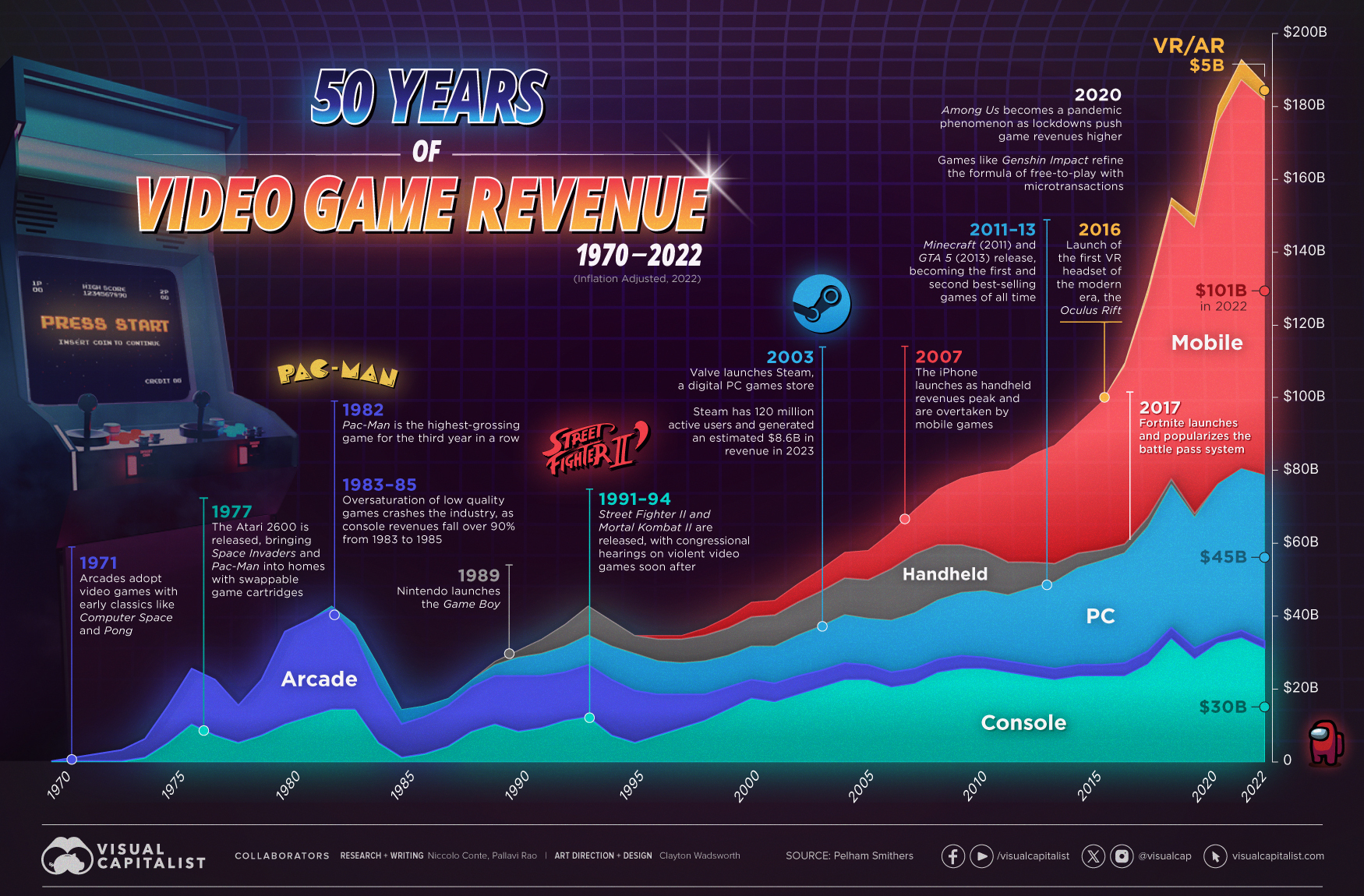
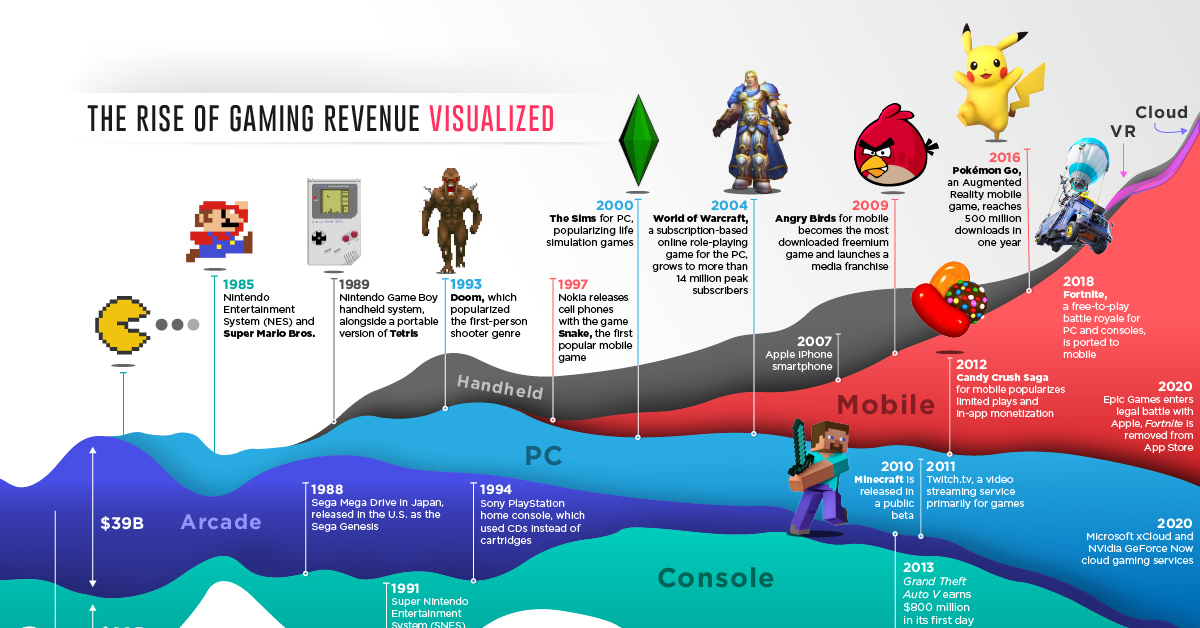
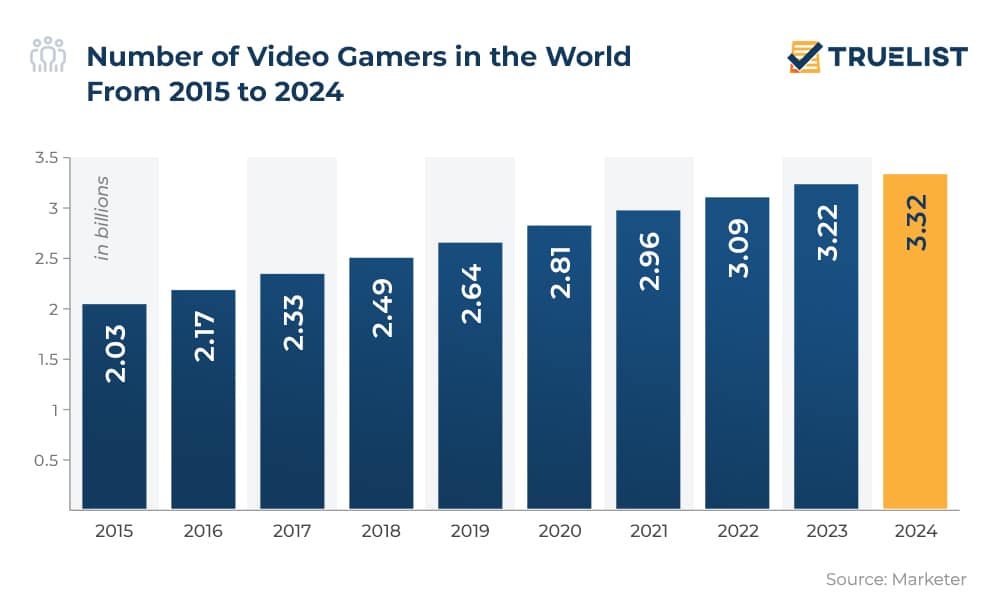
Mobile gaming's impact is arguably the most significant recent development in how gaming has changed over the years. What started with simple apps like Snake has exploded into a multi-billion-dollar industry, dominating the gaming market in terms of revenue and player count. The accessibility of smartphones means almost everyone carries a gaming device in their pocket, bringing gaming to a vastly wider audience, often beyond traditional console or PC demographics. This month alone, mobile games continue to see massive engagement, especially with casual and hyper-casual titles.
The rise of mobile has introduced new monetization models, primarily free-to-play (F2P) with in-app purchases (IAPs) for cosmetics, power-ups, or convenience. While this offers a low barrier to entry, it also requires discerning gamers to understand value for money. For adult gamers with limited time, mobile games offer quick, digestible sessions perfect for commutes or short breaks, providing instant entertainment without the commitment of a dedicated console or PC setup. Popular genres range from puzzle games and gacha RPGs to surprisingly deep strategy titles and even some major console ports.
What is the Significance of Esports in Today's Gaming Landscape?
Esports has elevated competitive gaming into a legitimate professional sport, dramatically altering how gaming has changed over the years. What began in basements and small tournaments now fills arenas, boasts massive prize pools, and draws millions of viewers to platforms like Twitch and YouTube. Major games like League of Legends, Dota 2, CS:GO, and Valorant have established global leagues, attracting sponsorships from major brands and creating celebrity pro players. This validates gaming as a skill-based endeavor and a viable career path for a select few.
For the average gamer, esports offers a thrilling spectator experience, akin to traditional sports. It also influences game design, with developers often balancing titles for competitive fairness and viewer appeal. While most of us will not go pro, watching esports can be entertaining, inspiring, and even instructional, offering new strategies and insights into high-level play. It also reinforces the idea that gaming is not just a pastime but a complex, strategic activity that demands dedication and skill, appealing to those who enjoy mastery and performance optimization.
How Have Free-to-Play Games and Microtransactions Reshaped Gaming?
Free-to-play (F2P) models, often supported by microtransactions and battle passes, represent a fundamental shift in how gaming has changed over the years, especially for budget-conscious gamers. Gone are the days when every major game cost a flat 60 upfront. Many of today's most popular titles, from Fortnite and Apex Legends to Genshin Impact and Call of Duty: Warzone, are free to download and play, offering immediate access to content.
The monetization comes through optional purchases: cosmetic skins, emotes, battle passes that unlock content over time, or sometimes convenience items. This model lowers the financial barrier to entry, allowing anyone to try a game. However, it requires careful budgeting and self-control. For adult gamers, F2P can offer incredible value, providing hundreds of hours of entertainment without an initial cost. The key is to evaluate what you are spending on and ensure it aligns with your entertainment budget and values, avoiding feeling pressured into purchases that do not enhance your experience.
What Impact Have Streaming and Content Creators Had on Gaming Culture?
Streaming and the rise of content creators have profoundly influenced how gaming has changed over the years, transforming it into a prominent form of entertainment and community building. Platforms like Twitch, YouTube Gaming, and TikTok have created new avenues for gamers to consume and interact with content. Watching streamers play games, offer commentary, or engage with their audience has become a popular pastime, with many tuning in for hours each week.
This phenomenon has several effects: it promotes new games, showcases skilled gameplay, provides a sense of community for viewers, and even helps gamers discover titles that fit their preferences. For busy adults, watching a stream can be a relaxing, passive way to enjoy gaming culture without actively playing. It also offers insights into game mechanics, potential purchases, or helps you stay current with popular trends without investing personal playtime. Streamers often act as trusted guides, giving honest opinions and fostering communities where like-minded gamers can connect and share experiences, making the gaming world feel more accessible and personal.
How is Gaming Becoming More Accessible and Inclusive?
Accessibility and inclusivity are increasingly vital aspects of how gaming has changed over the years, making it possible for a broader range of individuals to participate and enjoy. Developers are now integrating features like customizable controls, remappable buttons, colorblind modes, difficulty options, and even narrative choices that cater to diverse player needs. Specialized controllers, like Microsoft's Xbox Adaptive Controller, are designed to make gaming accessible to players with limited mobility, demonstrating a commitment to universal design.
This push for inclusivity extends beyond physical accessibility to fostering welcoming online communities. Many games and platforms are implementing stricter moderation policies and tools to combat toxicity, creating safer spaces for all players. For adult gamers, this means a more comfortable and enjoyable environment, reducing the frustration of technical barriers or unwelcoming interactions. It reinforces gaming's role as a source of relaxation and social connection for everyone, regardless of their background or abilities.
What Does Cross-Platform Play Mean for the Modern Gamer?
Cross-platform play, or crossplay, is a game-changer in how gaming has changed over the years, removing traditional barriers between different gaming ecosystems. Historically, if your friends played on PlayStation and you played on Xbox or PC, you simply could not game together. Now, many popular titles like Fortnite, Call of Duty, and Apex Legends allow players on different consoles and PCs to team up or compete in the same matches. This is a massive boon for social gamers.
For adult gamers trying to coordinate limited playtimes with friends, crossplay is invaluable. It means you are no longer restricted by hardware choices, making it easier to connect and enjoy shared experiences. It also contributes to larger player pools, which can lead to faster matchmaking and a more diverse range of opponents. This trend is expected to continue growing, further blurring the lines between different gaming platforms and fostering a more unified, inclusive gaming community where the focus is on the game itself, not just the device you own.
Is Cloud Gaming the Future? How Does It Work?
Cloud gaming, often touted as the 'Netflix for games,' is an emerging technology significantly influencing how gaming has changed over the years by offering a new way to access titles. Services like Xbox Game Pass Ultimate's Cloud Gaming, NVIDIA GeForce NOW, and PlayStation Plus Premium stream games directly to your devices over the internet. This means the heavy processing work is done on powerful servers in data centers, and only the video feed is sent to your screen, while your controller inputs are sent back.
The main benefit for many gamers is the ability to play high-end games on virtually any device with a screen and an internet connection – be it a smart TV, a tablet, a low-spec laptop, or even a smartphone. This can eliminate the need for expensive gaming PCs or consoles, a huge relief for budget-conscious players. While it still requires a stable, fast internet connection to avoid latency and visual quality issues, cloud gaming offers unprecedented flexibility and accessibility, potentially solving common pain points like hardware upgrades and setup complexities for many modern gamers.
The world of gaming has transformed dramatically, becoming more diverse, accessible, and connected than ever before. From revolutionary technology to evolving social dynamics, understanding these changes empowers you to make informed decisions about your gaming experiences. Whether you are seeking relaxation, competitive thrill, or social connection, modern gaming offers countless avenues tailored to your busy life. Embrace the evolution, explore new genres, and connect with communities that make gaming truly special. What is your biggest gaming challenge in today's gaming world? Comment below and let us help each other navigate the digital frontier!
FAQ Section
What is the biggest change in gaming over the last decade?
The biggest change is the explosion of online multiplayer, mobile gaming dominance, and the shift to free-to-play monetization. These factors have made gaming more accessible and social, reaching a broader global audience than ever before.
How has gaming become more social?
Gaming has become more social through online multiplayer, cross-platform play, and dedicated community platforms like Discord and Twitch. Players can now easily connect, cooperate, and compete with friends and strangers globally, fostering vibrant online communities.
What are the benefits of free-to-play games for busy adults?
Free-to-play games offer a low financial barrier to entry, allowing busy adults to try out numerous titles without an upfront cost. They often provide quick, digestible play sessions and massive amounts of content, offering great value for limited time and budget.
How do I stay current with new games and trends without endless research?
To stay current without endless research, consider following a few trusted gaming news sites, subscribing to curated newsletters, or watching reputable gaming content creators. Many offer concise summaries and recommendations tailored for busy gamers, helping you find relevant titles efficiently.
Are expensive hardware upgrades still necessary for a good gaming experience?
While high-end hardware offers the best performance, it is not always necessary. Mid-range PCs and current-gen consoles provide excellent experiences. Cloud gaming services are also emerging as a budget-friendly alternative, allowing you to stream demanding games without owning powerful hardware.
What are some good games for adults with limited time?
For adults with limited time, consider games with clear session lengths, strong single-player narratives you can pause, or engaging co-op experiences. Cozy games, strategy titles, or well-structured RPGs on mobile or console that respect your time are often excellent choices.
How can I balance gaming with my job and family responsibilities?
Balancing gaming with life involves setting clear boundaries, scheduling dedicated gaming time, and communicating with family. Prioritize games that offer quick satisfaction or social connection, and remember that gaming is for relaxation and enjoyment, not another chore.
Gaming has evolved from solo experiences to social online worlds. Technological advancements include stunning graphics and immersive VR. Mobile gaming now dominates the market, reaching billions worldwide. Esports has transformed gaming into a professional spectator sport. Free-to-play models and in-game purchases are standard. Gaming communities thrive on platforms like Discord and Twitch. Accessibility features make gaming more inclusive. Cross-platform play connects diverse player bases. Cloud gaming offers new ways to access titles without expensive hardware. Gaming serves as a vital stress reliever and social hub for many.
32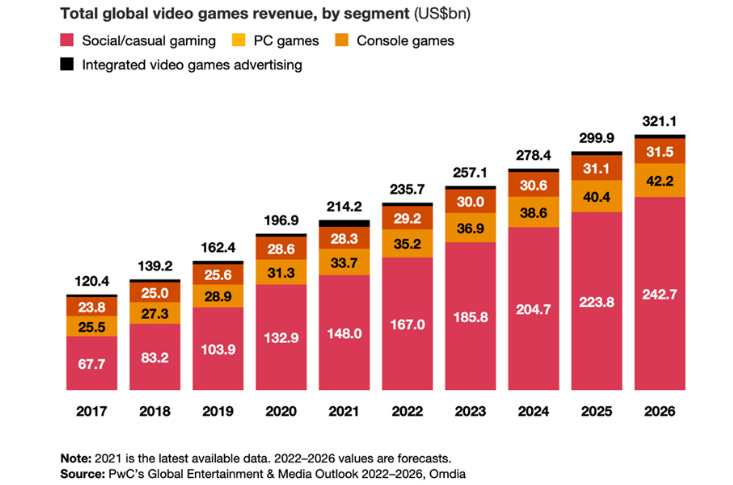
/bmi/media/media_files/2025/12/24/2026-gaming-2025-12-24-15-08-42.png)
Evolution Of Web 3 Games Reflecting On 2022 And Predictions For 2023 7e21958f 8898 448e 9716 733x485 . Key Gaming Trends Of 2026 TREND . Game Development Trends 2026 IMG Cover 1 . Video Games 2026 Key Trends Shaping The Future Of Play Mavigadget Blog . How Regulation And Esports Recognition Reshaped India S Gaming Industry 2026 Gaming 2025 12 24 15 08 42

Charted Video Game Industry Revenues By Year Platform 50 Years Of Video Game Revenue Dec 31 . 50 Years Of Gaming History By Revenue Stream 1970 2020 Game Revenue Timeline Shareable Updated . The Most Anticipated Games Of 2026 That Gamers Can T Wait For ZCr Dito 20250822 Most Anticipated Games Of 2026 . AOC Monitors Explained Brand Overview Key Series Best Uses In 2026 Game Smarter In 2026 With Philips Evnia . The Evolution Of Gaming How Gaming Began Evolved Over Time YouTube


Newzoo S 2026 PC Console Gaming Report Now Live Market Returns To Console Gaming Report 2026.webp. Most Anticipated Games Of 2026 A New Era Of Action And Adventure1 Blog2. The Evolution Of Gaming In 2025 Diversity Platforms And Generative Videogames GDC Report 450x298 . 41 Video Gaming Statistics 2026 User Trends Number Of Digital Physical Video Game Users 2048x1071 . Kalman Filters The Art Of Optimal Estimation Demystified By VITMAS 1*oC MA


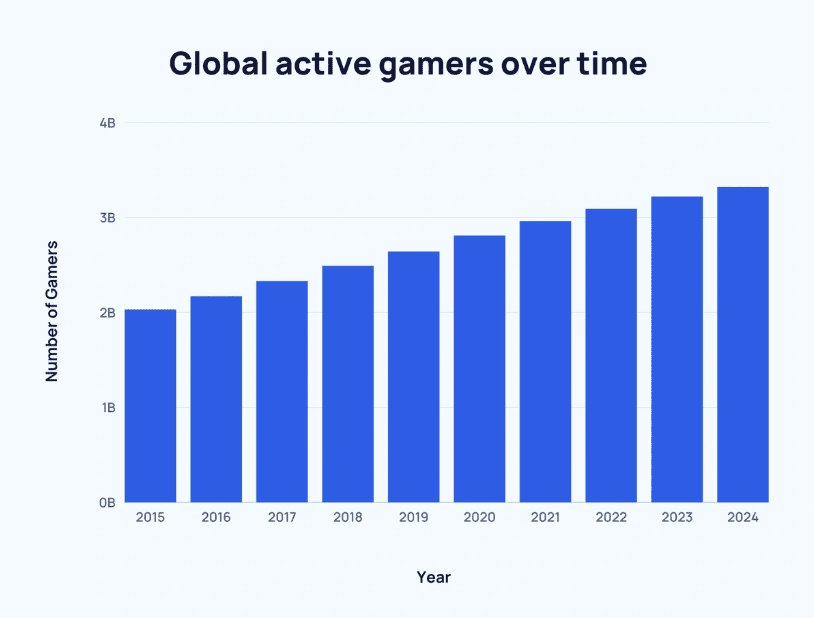
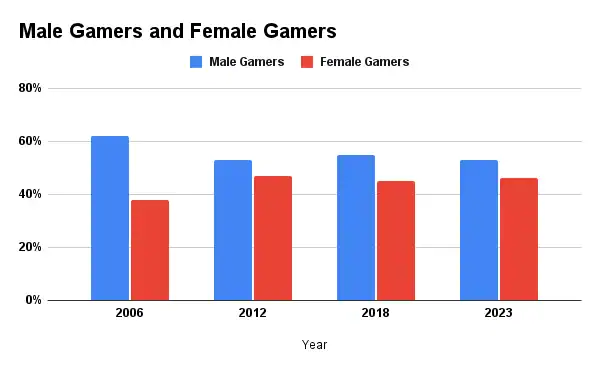
Infographic Video Game Industry Statistics 1180 . Gaming Console Statistics And Facts 2026 Global Gaming Penetration By Age And Gender 840x683 . How PC Gaming Has Changed Over The Years Mytrix Direct 1 F481faaa 06b5 4263 B674 1024x1024 . 44 Powerful Number Of Gamers Stats 2025 Edition Keywords Everywhere Global Active Gamers Over Time . Gaming Statistics How Many Gamers Are There In 2026 Male Gamers And Female Gamers.webp
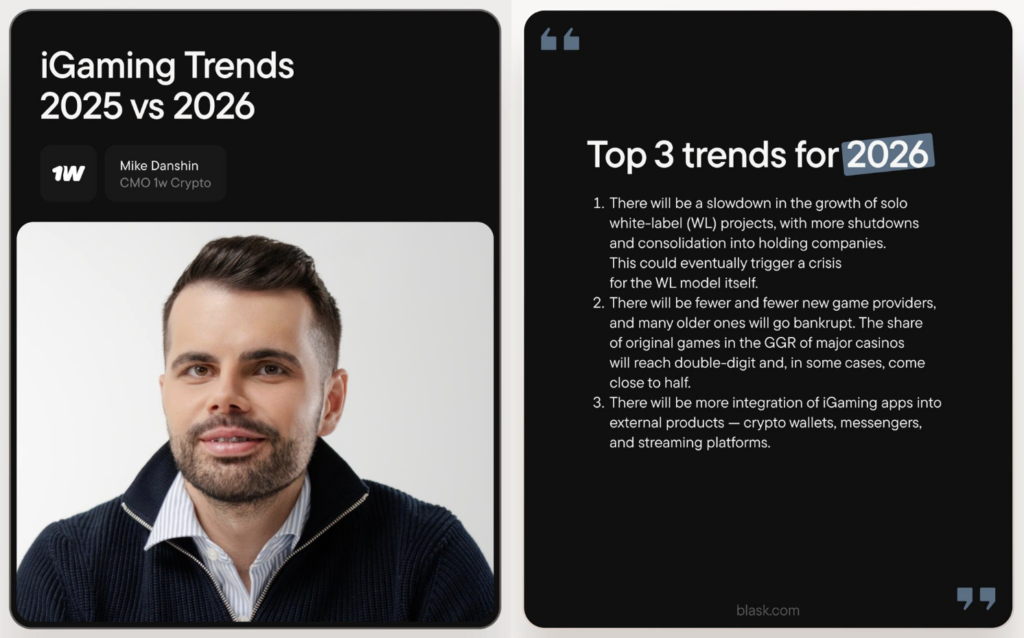


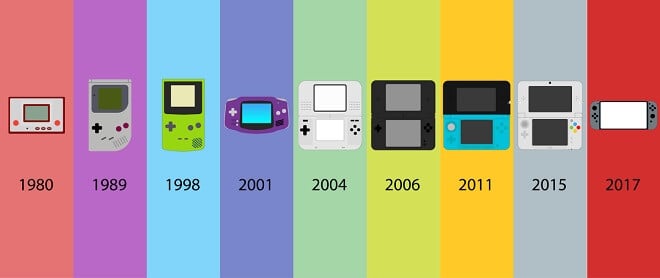
IGaming Trends 2026 The New Playbook For Growth Snimok Ekrana 2025 12 30 V 21.58.09 1024x638 . How Has Gaming Changed Over The Years Game Voyage How Has Gaming Changed Over The Years 35 . Gaming Technology Timeline And 6 Trends To Watch Video Game Chart . How Streaming Gaming In 2025 Graphic Eagle Streaming Changed Gaming 2025 . The Timeline History Of Video Games The Evolution Of NES

Where To Find Gaming Tournaments TheHakevent 2026 Guide Bloggers Magazine Where To Find Gaming Tournaments. Video Game Timeline Timeline Infographic Infographic Data . Top 10 Innovative Gaming Trends To Watch In 2025 Top 10 Innovative Gaming Trends To Watch In 2025 1024x683 . Gaming Industry Trends 2026 Cloud Gaming AI Metaverse Web3 Gaming Trends 2026.webp. 10 VR Game Trends For 2026 How The Market Is Evolving History Video Games
End Of An Era Sid Meier S VII General Number Of Video Gamers In The World From 2015 To 2024 . How Gaming Has Changed The Digital World By EIP EIPlatform Medium